Why Rest Days Matter (And How to Use Them)

Many people think more training always means more progress. In reality, your body adapts to exercise during rest. Skip recovery, and you risk fatigue, injury and stalled results.
What happens during recovery
- Muscle fibres repair and become stronger.
- Energy stores are replenished.
- The nervous system resets.
Signs you need more rest
- Persistent soreness or heavy legs.
- Worse performance despite more training.
- Poor sleep or a raised resting heart rate.
- Mood changes or lack of motivation.
- Frequent colds.
Active vs. passive rest
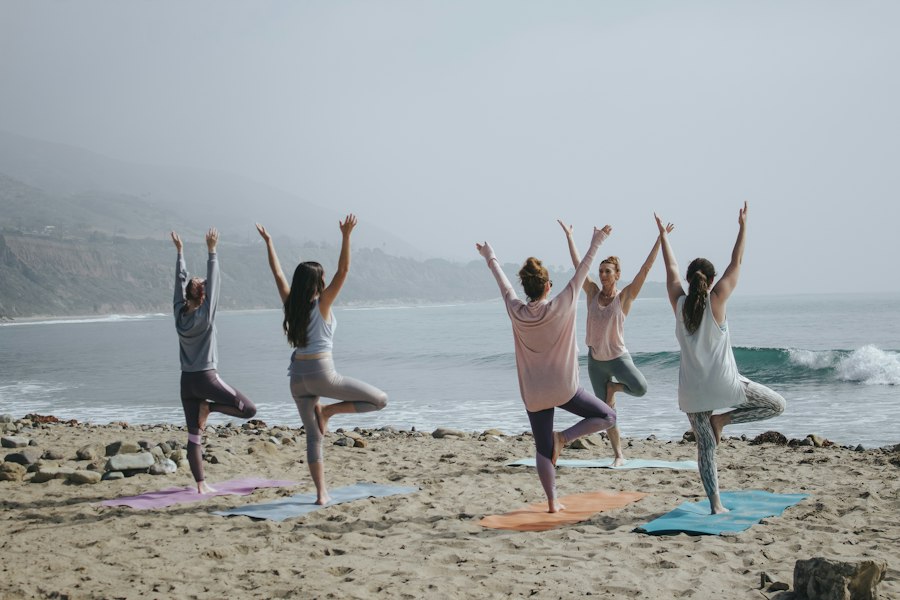
Passive rest means doing no exercise at all. Active recovery means light movement such as a gentle walk, easy swim or yoga, which can help ease stiffness.
How many rest days?
Most people benefit from at least one or two rest days a week. Beginners may need more. Listen to your body and take a lighter week every few weeks.
Rest well
- Sleep 7 to 9 hours.
- Eat enough to fuel recovery.
- Stay hydrated.
- Manage stress outside the gym.